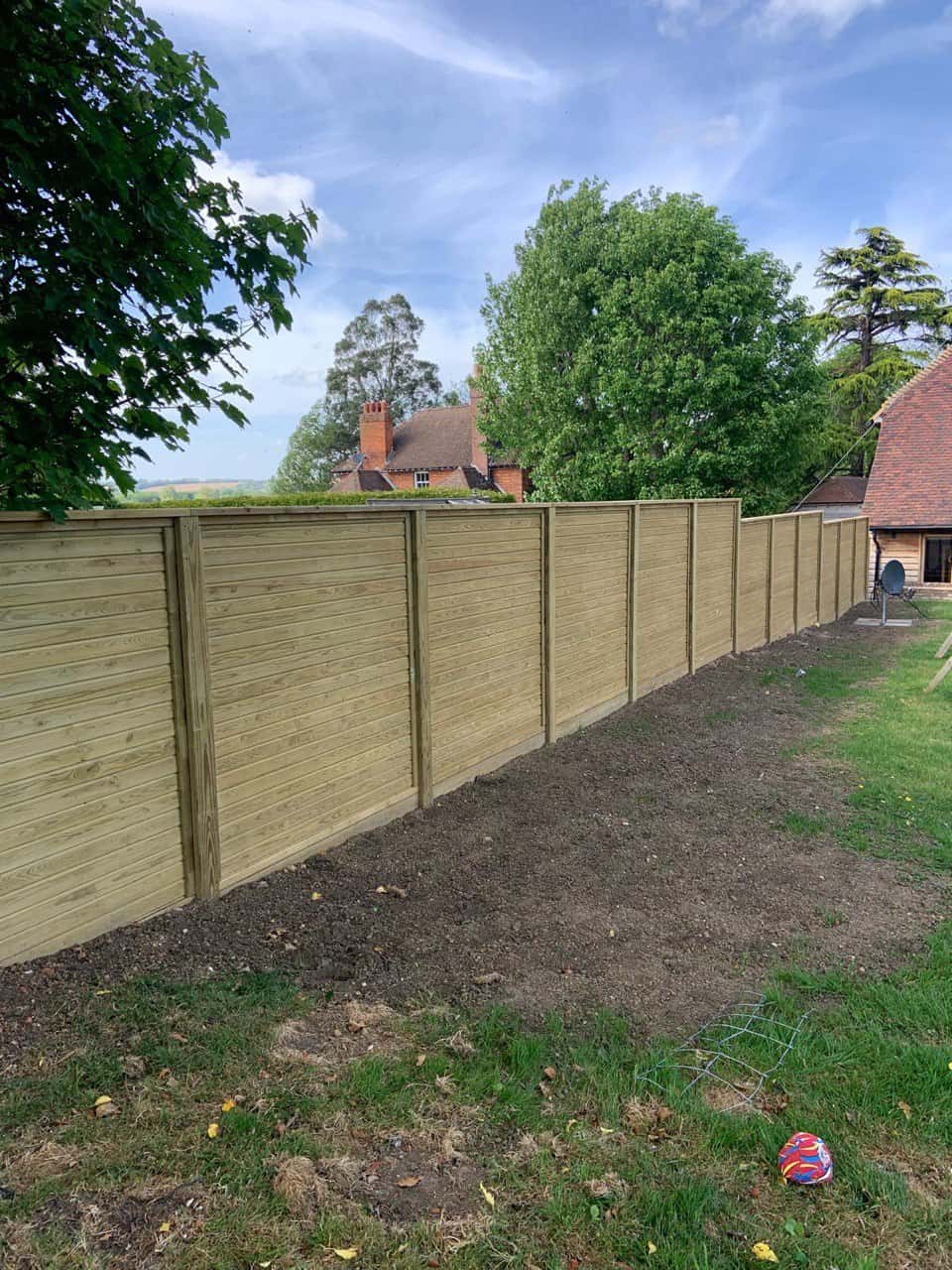
Can Acoustic Fencing Improve Privacy as Well as Reduce Noise?
For many homeowners, a garden should feel like a comfortable and private extension of the home. However, nearby traffic, neighbouring activity and general background noise can sometimes make an outdoor space feel more exposed than intended. Standard fencing can provide a useful visual boundary, but where both privacy and unwanted noise are concerns, acoustic fencing may offer a more specialised solution.
Acoustic fencing is primarily designed to reduce the amount of sound passing directly through a boundary. Its solid construction can also provide excellent visual screening, meaning homeowners can potentially address two common garden concerns with one carefully planned installation.
For properties in Edenbridge, Kent, Fast Fix Fencing Edenbridge can assess the individual garden and provide professionally installed fencing designed around the practical requirements of the space.
What Is Acoustic Fencing?
Acoustic fencing differs from many conventional fence designs because reducing sound transmission is a key part of its purpose.
Rather than using open sections or significant gaps, acoustic fencing typically relies on a solid, closely constructed barrier. The objective is to limit direct routes through which sound can travel.
Effective installation therefore depends on more than simply putting up taller fence panels. The overall construction, positioning, continuity and quality of installation all influence how the boundary performs.
How Can Acoustic Fencing Reduce Noise?
Sound travels in waves and can move through openings as well as around and over physical barriers.
A solid fence interrupts the direct path between a noise source and the area you want to protect. This can help reduce the amount of sound reaching parts of the garden.
The effectiveness of the barrier will depend on several factors, including:
- The location of the noise source
- The position of the fencing
- The construction of the fence
- Gaps within or beneath the boundary
- The layout of the garden
- The relationship between the fence and surrounding features
This is why acoustic fencing should be considered in relation to the individual property rather than treated as a universal solution with identical results everywhere.
Can Acoustic Fencing Improve Privacy?
Yes. Privacy can be one of the most useful secondary benefits of acoustic fencing.
Because an effective acoustic barrier generally needs to be solid, it can also prevent direct views through the boundary.
This can be particularly useful where homeowners want to make areas such as patios, seating spaces or frequently used parts of the garden feel more enclosed.
Instead of installing one feature for screening and another for noise reduction, acoustic fencing can potentially fulfil both purposes.
Solid Construction Makes the Difference
Many decorative fences intentionally contain gaps. These can create an attractive appearance and allow more light or airflow through the boundary, but they are less suitable where acoustic performance is the main objective.
For noise reduction, continuity is important.
Gaps between boards, beneath panels or around poorly fitted sections can provide routes through which sound continues to travel.
Professional installation therefore pays careful attention to how individual fencing components fit together.
Why Fence Positioning Matters
Where the fence is positioned can influence how effectively it separates the garden from the source of unwanted sound.
Every property has a different layout. Noise may originate from beyond the rear boundary, alongside the garden or from another direction entirely.
Before deciding how acoustic fencing should be installed, it is useful to consider:
- Where the unwanted sound originates
- Which parts of the garden are used most frequently
- Where additional privacy is required
- Existing boundaries and structures
- Access points and gates
A well-planned layout can focus the fencing where it provides the greatest practical benefit.
Can Acoustic Fencing Make a Patio More Comfortable?
A patio or seating area is often where noise and privacy concerns become most noticeable.
Homeowners may be perfectly comfortable with background sound while moving around the garden but find it distracting when sitting outside, eating or entertaining.
Using solid fencing around an appropriately positioned boundary can help create greater separation between the seating area and its surroundings.
The visual screening can also make the patio feel more defined and private.
Acoustic Fencing Can Create a Stronger Garden Boundary
Privacy is not simply about preventing people from looking through a fence. A clearly defined boundary can change the overall character of an outdoor space.
Solid fencing can create a stronger sense of separation between the garden and surrounding activity.
This can be particularly useful where the existing boundary consists of:
- Open fencing
- Widely spaced boards
- Ageing panels with gaps
- Uneven fencing
- Several different boundary styles
Replacing an inconsistent boundary with a carefully planned fencing system can make the garden feel more cohesive.
What About Gaps Beneath the Fence?
Attention to the lower edge of acoustic fencing is important.
A substantial gap beneath the fence can reduce the effectiveness of an otherwise solid barrier because sound can travel through openings.
The ground conditions and levels should therefore be considered during installation.
This is one reason professional site assessment matters. A boundary that appears straightforward from a distance may contain changing ground levels or other features requiring careful detailing.
Gates Need Careful Consideration Too
A gate forms an interruption within a fence line, so it should not be forgotten when acoustic performance and privacy are important.
A poorly integrated gate can introduce significant gaps into an otherwise continuous boundary.
The gate needs to work practically for access while fitting appropriately with the surrounding fencing.
From a privacy perspective, its design should also be considered alongside the rest of the boundary so that it does not unnecessarily create a visually exposed section.
Can Acoustic Fencing Remove All Outside Noise?
No fencing system should be expected to make an outdoor garden completely silent.
Sound can travel over barriers and arrive from different directions. The objective of acoustic fencing is therefore to reduce unwanted noise rather than promise complete elimination.
The degree of improvement will depend on the circumstances of the property.
A professional assessment is valuable because it allows realistic consideration of what the fencing can achieve within the particular garden.
Does Acoustic Fencing Have to Look Industrial?
Not necessarily.
Practical performance is important, but fencing also forms a prominent visual part of the garden.
A well-designed installation can provide the solid construction required while still creating a neat and attractive boundary.
The design should complement the outdoor space rather than appearing disconnected from it.
Good workmanship is especially important because consistent lines, carefully fitted sections and properly finished boundaries all contribute to the appearance of the completed fence.
Strong Installation Is Particularly Important
Acoustic fencing needs to form a substantial and dependable boundary, making the quality of its supporting structure especially important.
Posts, panels and associated components need to be installed appropriately for the individual site.
Poor installation can lead to movement, uneven sections or gaps developing within the fence line. These issues can affect both appearance and performance.
Professional installation focuses not only on how the fence looks when completed but also on creating a stable and accurately fitted structure.
Existing Fencing Should Be Assessed First
If a garden already has fencing, it is worth assessing whether the existing boundary is suitable before planning improvements.
An older fence may contain:
- Loose posts
- Damaged panels
- Uneven sections
- Significant gaps
- Deteriorating materials
Simply modifying a weak existing boundary may not provide the desired result.
Understanding the condition of what is already there helps determine the most appropriate way to create a more private and effective garden boundary.
Acoustic Fencing Can Be Particularly Useful for Defined Garden Zones
Not every part of a garden necessarily needs the same level of screening.
Some homeowners may primarily want greater separation around a seating or entertaining area. Others may want the main boundary to provide increased privacy throughout the garden.
Thinking in terms of how the garden is actually used can produce a more practical fencing design.
Areas worth considering include:
- Patios
- Outdoor dining spaces
- Seating areas
- Relaxation zones
- Frequently used sections of the garden
The fencing can then be planned around the needs of the property rather than installed without consideration of how the outdoor space functions.
Why Professional Acoustic Fencing Installation Adds Value
Acoustic fencing works best when the complete boundary is considered carefully.
The fence needs appropriate positioning, solid construction and attention to potential gaps. Posts and supporting components also need to provide a stable foundation for the finished installation.
At Fast Fix Fencing Edenbridge, we provide professional fencing services throughout Edenbridge, Kent. We can assess the layout and existing boundaries of your property before recommending a fencing solution suited to your requirements.
Where unwanted noise and lack of privacy are both concerns, acoustic fencing can provide a practical way to improve the separation between your garden and its surroundings without unnecessarily complicating the outdoor space.
Conclusion
Acoustic fencing can improve privacy as well as reduce unwanted noise. Its solid construction helps interrupt the direct path of sound while simultaneously preventing views through the boundary, making it particularly useful for gardens where both concerns exist.
However, successful acoustic fencing depends on more than choosing solid panels. Positioning, continuity, ground levels, gates, supporting posts and careful installation all influence the finished result. It is also important to have realistic expectations: acoustic fencing can reduce unwanted sound, but it cannot make an outdoor space completely silent.
For homeowners in Edenbridge, Kent, Fast Fix Fencing Edenbridge can assess your garden and provide professionally installed fencing suited to the individual space. If you are looking for a more private garden and would also like to reduce the impact of surrounding noise, acoustic fencing is well worth considering.
Call us on: 01732 904 091
Click here to find out more about Fast Fix Fencing Edenbridge
Click here to complete our contact form and see how we can help with your fencing needs.